 English▼



- 電子メール : David@tmaxcn.com
- 電子メール : Davidtmaxcn@gmail.com
- : No. 39, Xinchang Road, Xinyang, Haicang Dist., Xiamen, Fujian, China (Mainland)
ブログ
Open Cell Foam
May 15,2026.
Xiamen Tmax Battery Equipments Limited was set up as a manufacturer in 1995, dealing with lithium battery equipments, technology, etc. We have total manufacturing facilities of around 200000 square foot and more than 230 staff. Owning a group of experie-nced engineers and staffs, we can bring you not only reliable products and technology, but also excellent services and real value you will expect and enjoy.
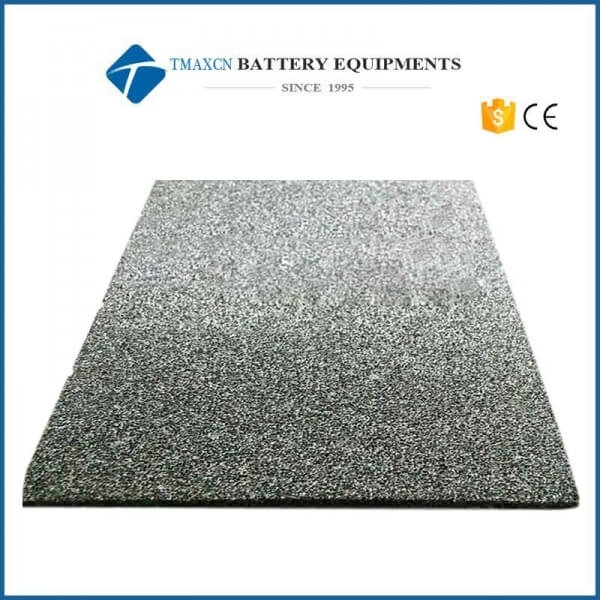
Open cell foam is a type of foam material characterized by interconnected pores or cells that allow air or fluids to pass through. Unlike closedcell foams, which have sealed cells, opencell foams offer unique properties such as flexibility, breathability, and sound absorption. These characteristics make them ideal for a wide range of applications across various industries.
In this article, we will explore the properties, types, applications, advantages, and limitations of open cell foam.
●Properties of Open Cell Foam
1. Interconnected Cells
The porous structure allows air, water, and other substances to flow through the material.
This property contributes to its breathability and moisturewicking capabilities.
2. Lightweight
Open cell foam is typically lighter than closedcell foam due to its lower density.
3. High Porosity
Its high porosity enhances its ability to absorb sound, making it an excellent acoustic material.
4. Flexibility
Open cell foam is soft and pliable, providing comfort and conformability.
5. Moisture Absorption
While it can absorb moisture, prolonged exposure may lead to degradation unless treated with waterproof coatings.
6. Thermal Insulation
Although not as effective as closedcell foam for thermal insulation, open cell foam still provides some level of heat retention.
●Types of Open Cell Foam
1. Polyurethane Foam
Widely used in furniture, bedding, and packaging.
Known for its softness, durability, and costeffectiveness.
2. Memory Foam
A specialized type of polyurethane foam with added viscoelastic properties.
Commonly used in mattresses and pillows for pressure relief and support.
3. Melamine Foam
Lightweight and highly porous, often used for soundproofing and cleaning applications (e.g., Magic Erasers).
4. Reticulated Foam
A highly porous foam with all cell walls removed, creating a network of interconnected strands.
Used in filtration, airbrushing, and medical sponges.
5. Latex Foam
Made from natural rubber or synthetic materials, offering superior elasticity and resilience.
Popular in luxury mattresses and cushions.
●Applications of Open Cell Foam
1. Furniture and Bedding
Cushions, mattresses, pillows, and upholstery padding.
Provides comfort, support, and ventilation.
2. Acoustic Treatment
Soundabsorbing panels, baffles, and diffusers for studios, theaters, and homes.
Reduces echo and improves sound quality.
3. Packaging
Protective padding for fragile items during shipping.
Lightweight and costeffective.
4. Medical Devices
Wound care products, surgical drapes, and cushioned supports for patient comfort.
Often treated for antimicrobial properties.
5. Automotive Industry
Seat cushions, headrests, and interior padding.
Enhances passenger comfort and safety.
6. Filtration
Air filters, oil filters, and water filters.
Reticulated foam is particularly effective for trapping particles.
7. Cleaning Products
Sponges, scrubbers, and abrasive pads.
Melamine foam excels at removing stains and dirt without scratching surfaces.
8. Sports and Recreation
Padding for helmets, protective gear, and athletic equipment.
Offers shock absorption and comfort.
●Advantages of Open Cell Foam
1. Breathability
Allows airflow, reducing heat buildup and enhancing comfort.
2. Sound Absorption
Excellent for noise reduction and acoustic control.
3. CostEffectiveness
Generally less expensive than closedcell foam due to its lower material density.
4. Comfort
Soft and flexible, making it ideal for seating, bedding, and personal care products.
5. Versatility
Suitable for a wide range of applications across multiple industries.
6. Customizability
Can be manufactured in various densities, shapes, and sizes to meet specific needs.
●Limitations of Open Cell Foam
1. Moisture Sensitivity
Absorbs water and liquids, which can lead to mold, mildew, or structural damage if not properly treated.
2. Reduced Thermal Insulation
Not as effective as closedcell foam for thermal insulation due to its porous structure.
3. Durability Concerns
May degrade faster under heavy use or harsh conditions compared to closedcell foam.
4. Limited LoadBearing Capacity
Less suitable for applications requiring high compressive strength.
5. Maintenance Requirements
Requires regular cleaning and drying to prevent microbial growth.
●Comparison: Open Cell vs. Closed Cell Foam
| Property | Open Cell Foam | Closed Cell Foam |
||||
| Cell Structure | Interconnected pores | Sealed, noninterconnected |
| Density | Lower | Higher |
| Weight | Lighter | Heavier |
| Breathability | High | Low |
| Water Absorption | High | Low |
| Thermal Insulation | Moderate | Excellent |
| Sound Absorption | Excellent | Moderate |
| Applications | Furniture, acoustics, cleaning | Construction, flotation, seals |
●Innovations in Open Cell Foam Technology
To address the limitations of open cell foam, manufacturers are developing advanced solutions:
1. Hybrid Foams
Combining opencell and closedcell structures for improved performance.
2. WaterResistant Treatments
Coatings and additives to enhance moisture resistance without compromising breathability.
3. Sustainable Materials
Using recycled or biodegradable materials to reduce environmental impact.
4. Smart Foams
Incorporating sensors or phasechanging materials for adaptive comfort and functionality.
5. Nanotechnology
Infusing nanomaterials to improve strength, durability, and thermal properties.
●Tips for Selecting the Right Open Cell Foam
1. Determine Your Needs
Consider the intended application, required properties (e.g., breathability, sound absorption), and environmental conditions.
2. Evaluate Material Compatibility
Choose a foam type that suits the specific requirements of your project.
3. Check Manufacturer Reputation
Opt for reputable suppliers known for quality and reliability.
4. Compare Prices
Obtain quotes from multiple suppliers to ensure you get the best value for your budget.
5. Consider LongTerm Costs
Factor in maintenance, replacement, and potential upgrades when evaluating total ownership expenses.
●Conclusion
Open cell foam is a versatile material with unique properties that make it indispensable in various industries. Its breathability, sound absorption, and comfortenhancing qualities have made it a popular choice for applications ranging from furniture to acoustics. While it has certain limitations, ongoing innovations continue to expand its capabilities and address existing challenges.
What excites you most about the advancements in open cell foam technology? Share your thoughts below! Together, let’s explore how these innovative materials can shape the future of comfort, acoustics, and beyond.
 +86 13174506016
 David@tmaxcn.com

